How Is Sustainable Landscape Design Measured And Evaluated?
Green landscape planning techniques are transforming how we design and handle outdoor spaces by valuing eco health, resource efficiency, and increasing biological diversity. Whether you’re a homeowner, landscape professional, or sustainability advocate, grasping these methods is important for supporting eco resilience and environmental balance in your landscape projects.
1. Introduction to Sustainable Landscape Design?
Sustainable landscape design involves designing and developing outdoor environments that focus on sustainable components, low-effect development, and habitat diversity. This method encourages natural processes like soil renewal, water conservation, and organic pest control, maintaining Ridgeline Outdoor Living paver driveway services pasadena long-term ecological balance. By emphasizing climate resilience and reducing carbon footprints, sustainable landscapes reduce harmful impacts such as soil erosion, chemical pollution, and overuse of water.
Using native plants, rain gardens, and permeable pavements are typical methods to support sustainable drainage and biofiltration. These elements work together to preserve soil health and aid thriving urban forestry projects, all while supporting a landscape that demands less maintenance and fewer resources.
2. How Do Native Plants Contribute to Sustainable Landscaping?
Native plants and native grasses significantly impact sustainable landscaping by thriving naturally within local climates and soil conditions. Their resistance to drought and resistance cut down the need for supplemental watering and chemical inputs like fertilizers and pesticides. Additionally, native species foster habitat restoration by helping local wildlife and improving biodiversity.
Many native plants act as nitrogen-fixing plants, enhancing the soil organically and stimulating healthy soil microbiome activity. This causes more vigorous plant growth and natural pest control, turning them into a cornerstone of any ecological balance-focused garden or landscape project.
3. What Are the Benefits of Rain Gardens and Rainwater Harvesting in Sustainable Landscapes?
Rain gardens and rainwater harvesting systems are crucial aspects of eco-friendly drainage and stormwater management. A rain garden captures runoff, filters pollutants through biofiltration, and decreases erosion by slowing water flow. This helps protect local waterways and saves water.
Rainwater collection collects precipitation for later use, which can be vital for irrigation during dry periods. This practice minimizes potable water consumption and bolsters water conservation efforts, especially important in areas prone to drought or water scarcity.
4. How Does Xeriscaping Support Achieve Sustainability in Landscape Design?
Xeriscaping promotes water-wise plant selections and low-maintenance design principles to decrease water use. Incorporating drought tolerance and mulching, along with drip irrigation systems, xeriscaping substantially reduces irrigation needs. By incorporating water-wise plants and sustainable mulch, this method not only saves water but also enhances soil health and paver driveway design & installation lowers the carbon footprint associated with landscape maintenance.
5. What Role Do Permeable Pavements and Sustainable Hardscaping Play?
Permeable surfaces contribute to sustainable landscapes by allowing water to infiltrate the ground instead of generating runoff. This decreases erosion and supports groundwater recharge, consistent with low-impact development practices. Sustainable hardscaping employs eco-friendly materials and designs that harmonize functionality with environmental preservation, aiding control stormwater and stop habitat degradation.
6. How Can Composting, Mulching, and Organic Gardening Improve Soil Health and Sustainability?
Composting restores valuable nutrients and organic matter back into the soil, enhancing soil structure and supporting beneficial microbes. Mulching retains soil moisture, restricts weeds, and moderates soil temperature, minimizing the need for frequent watering.
Organic gardening eschews synthetic chemicals, promoting natural pest control and enhancing a healthier soil ecosystem. Together, these practices are crucial for long-term soil health and overall landscape sustainability.
7. What Are Vegetated Roofs, Green Walls, and Upright Gardens, and How Do They Enhance Sustainable Landscapes?
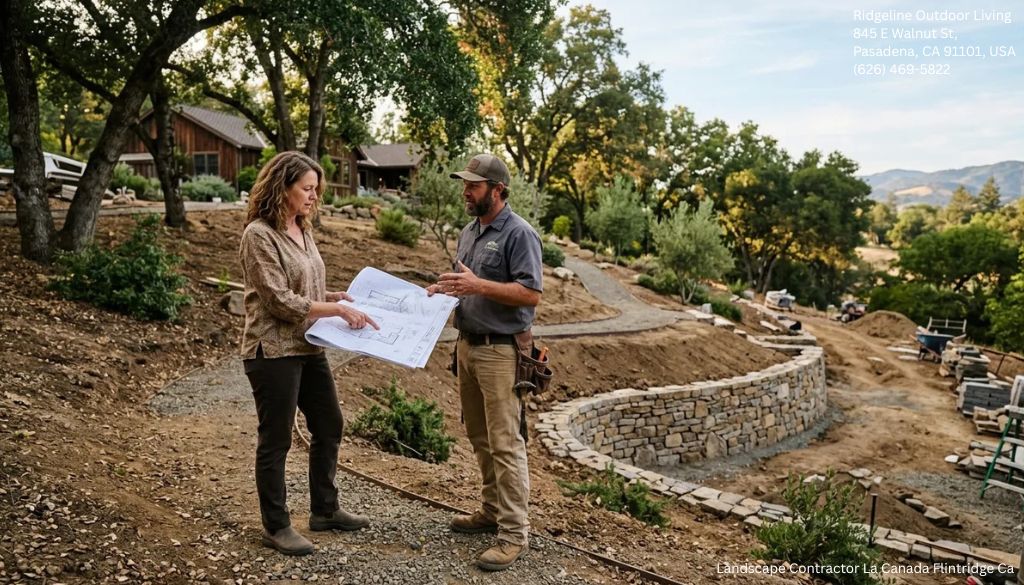
Green roofs, living walls, and vertical plantings expand vegetated surfaces within urban environments. These features enhance air quality by removing pollutants, increase energy efficiency through insulation, and reduce urban heat islands. Upright gardens are particularly beneficial for habitat enhancement and microclimate creation in constrained spaces, aiding urban forestry objectives and biodiversity improvement.
8. How Does Drip Irrigation Contribute to Sustainable Water Use?
Drip irrigation is an effective watering method that delivers water directly to plant roots, minimizing evaporation and runoff. This system promotes climate resilience by conserving water resources, making it ideal for drought-prone regions. The precision of drip irrigation matches the goals of low-maintenance design and water conservation in sustainable landscapes.
9. What Is Edible Landscaping and Its Role in Sustainability?
Edible landscaping incorporates food-producing plants into ornamental garden designs, blending aesthetics with functionality. This approach promotes local food production, lowering food miles and associated carbon footprints. Companion planting within edible landscapes improves habitat diversity and aids beneficial insects, supporting organic gardening and climate-adaptive landscaping principles.
10. How Do Wildlife Corridors and Pollinator Gardens Boost Biodiversity in Sustainable Landscapes?
Wildlife corridors offer safe pathways between fragmented habitats, facilitating species movement and genetic exchange vital for healthy ecosystems. Pollinator gardens invite bees, butterflies, and other pollinators vital for crop pollination and ecological balance.
Both features aid habitat restoration and boost biodiversity, key indicators of a sustainable and thriving landscape environment.
11. What Are Some Sustainable Lawn Care Practices?
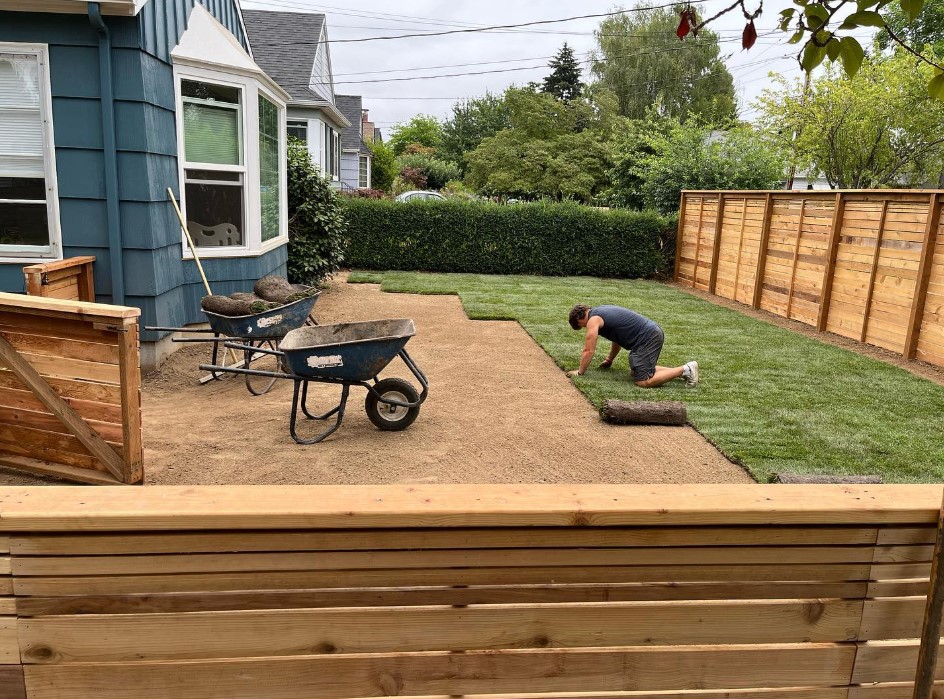
Sustainable lawn care focuses on aridity tolerance and natural gardening methods to reduce use of water and chemicals. Choosing drought-resistant grasses or alternatives and integrating nitrogen-fixing plants naturally enriches soil fertility. Practices such as cutting grass higher protect shade and soil moisture, continuing to decrease maintenance demands and environmental impact.
12. How Can Recycled Materials and Landscape Reuse Improve Sustainable Landscape Projects?
Employing recycled materials in landscape construction decreases the carbon footprint by lessening requirement for new resources. Landscape reuse repurposes existing structures and materials, cutting waste and protecting energy associated with manufacturing. These strategies are key to sustainable hardscaping and encourage low-impact development efforts.
13. How Do Solar Lighting and Energy Efficiency Integrate into Sustainable Landscape Design?
Solar lighting utilizes renewable energy to brighten outdoor spaces without relying on grid electricity. This decreases energy consumption and greenhouse gas emissions. Merging solar lighting with energy-efficient landscape design approaches supports climate resilience and demonstrates eco-friendly materials and technology integration.
Additional Sustainable Landscape Strategies
Firewise Landscaping for Climate Resilience
Firewise landscaping incorporates drought-tolerant plants and erosion control techniques to cut wildfire risks. Enhancing habitat diversity within fire-adapted ecosystems aids resilience against climate-induced stressors.
Greywater Reuse in Landscape Irrigation
Greywater reuse involves recycling household wastewater for irrigation, minimizing freshwater demand. Combined with water-wise plants and sustainable drainage systems, it promotes water conservation efforts in sustainable landscapes.
Landscape Certification Programs and Their Importance
Certification programs create sustainability standards, making certain landscapes meet ecological balance and resource-efficiency criteria. Accredited experts lead implementation, fostering trust and driving innovation in sustainable design.
Microclimate Creation and Its Benefits
Forming microclimates through strategic tree canopy placement and urban forestry maximizes temperature regulation and wind protection. This improves plant health and energy efficiency while promoting climate resilience.
Frequently Asked Questions
Q1: What Are the Key Principles of Sustainable Landscape Design?
Fundamental concepts involve conserving water and energy, using native and drought-tolerant plants, minimizing chemical inputs, protecting soil health, managing stormwater effectively, and designing for low maintenance.
Q2: In What Way Does Sustainable Landscaping Reduce Costs Over Time?
By reducing water and energy consumption, lowering maintenance costs, and increasing landscape resilience, sustainable landscaping reduces costs long-term while increasing property value.
Q3: Will Sustainable Landscaping Enhance Property Value?
Yes, eco-friendly landscapes boost curb appeal, decrease utility bills, and attract conscientious buyers, making properties more marketable and valuable.
Q4: How Does Xeriscaping Differ from Traditional Landscaping?
Xeriscaping prioritizes conserving water with drought-adapted plants and smart irrigation, in contrast to traditional landscaping which generally demands more water and care.
Q5: Do Funding or Incentives Exist for Sustainable Landscaping?
Many local governments and utilities offer rebates, grants, or tax incentives for installing rain gardens, rainwater harvesting, and other sustainable landscape features. Check local programs for eligibility.
ConclusionAdopting residential paver services Pasadena sustainable landscape design approaches is crucial for developing outdoor areas that are both attractive and eco-friendly and durable. From native plants and rain gardens to permeable pavements and solar lighting, these strategies protect resources, encourage biodiversity, and lessen environmental impact. By integrating these approaches, homeowners and professionals alike can encourage healthier ecosystems, save on maintenance costs, and contribute positively to the planet’s future.
Begin enhancing your landscape now paver driveway resources by utilizing these sustainable guidelines and become part of the expanding shift towards greener, stronger environments.